

Hot flashes during a busy workday, restless nights, unexpected mood changes, and persistent fatigue can make everyday life more difficult for women in Charlotte, NC. Whether you’re managing a demanding career in Uptown Charlotte, raising a family in Ballantyne, or enjoying an active lifestyle in SouthPark, hormonal changes can affect how you feel physically and emotionally.
READ MORECategory: HRT
10 Signs Your Hormones May Be Out of Balance
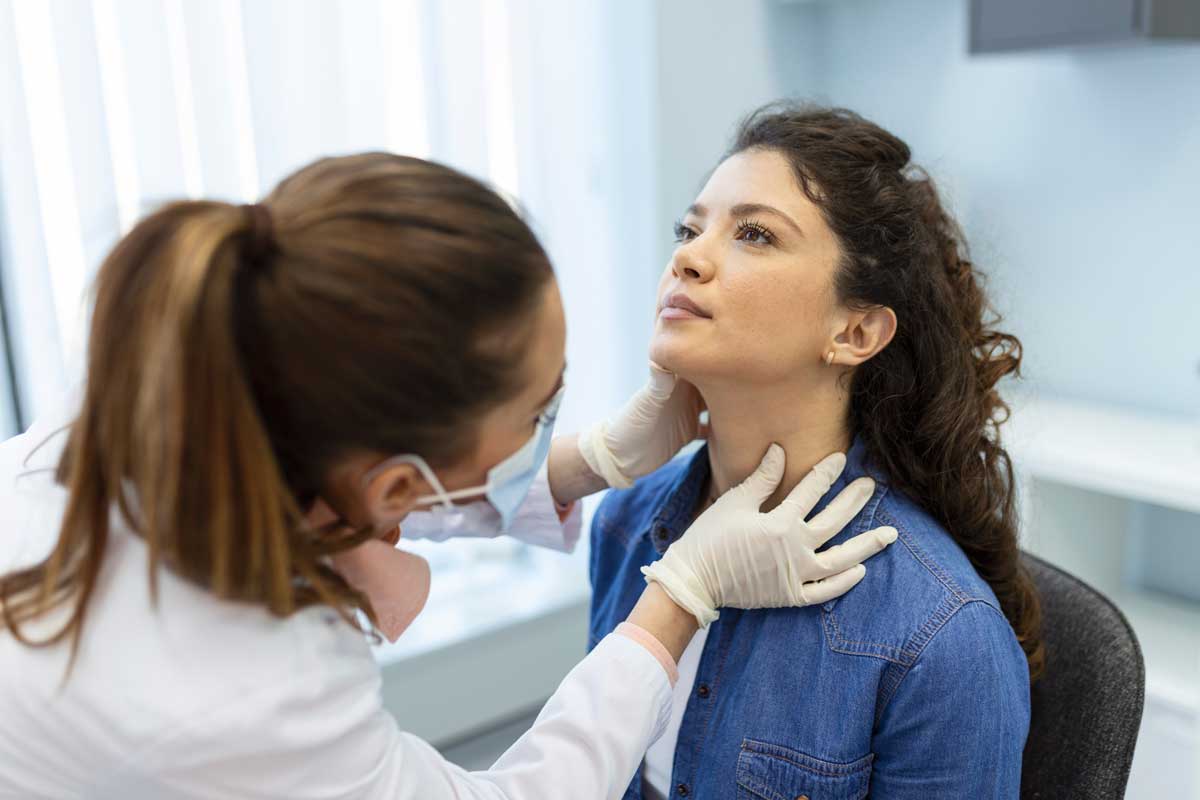
Feeling unusually tired, struggling with sleep, or noticing changes in your mood or weight can be frustrating, especially when there is no obvious explanation. For adults in Fort Mill, SC, these symptoms may sometimes raise questions about whether hormones could be playing a role. Hormonal imbalance can show up in different ways depending on the
READ MOREThe Importance of Individualized Treatment Plans in Hormone Replacement Therapy

Hormone replacement therapy has helped countless people reclaim their quality of life, restore energy, and find balance after hormonal shifts disrupt their daily routines. Yet one of the most common mistakes in this field is treating every patient the same way. The truth is, no two bodies are identical, and no two hormonal profiles are
READ MOREUnderstanding the Different Types of Hormone Replacement Therapy Available
If you have been exploring your options for managing hormonal changes, you have likely come across the term hormone replacement therapy in South Carolina, whether through a friend’s recommendation, your doctor’s advice, or your own research. Hormonal shifts, especially during menopause, can significantly affect your quality of life. The good news is that today’s patients
READ MOREThe Benefits of Hormone Replacement Therapy for Menopausal Women

Menopause is a natural biological process that marks the end of a woman’s reproductive years. This transition, often occurring between the ages of 45 and 55, brings with it a variety of physical and emotional symptoms that can significantly impact quality of life. Hormone replacement therapy, or HRT therapy, is one of the most effective
READ MORE